 7 min
7 minWhat affects the cost of air travel in 2026
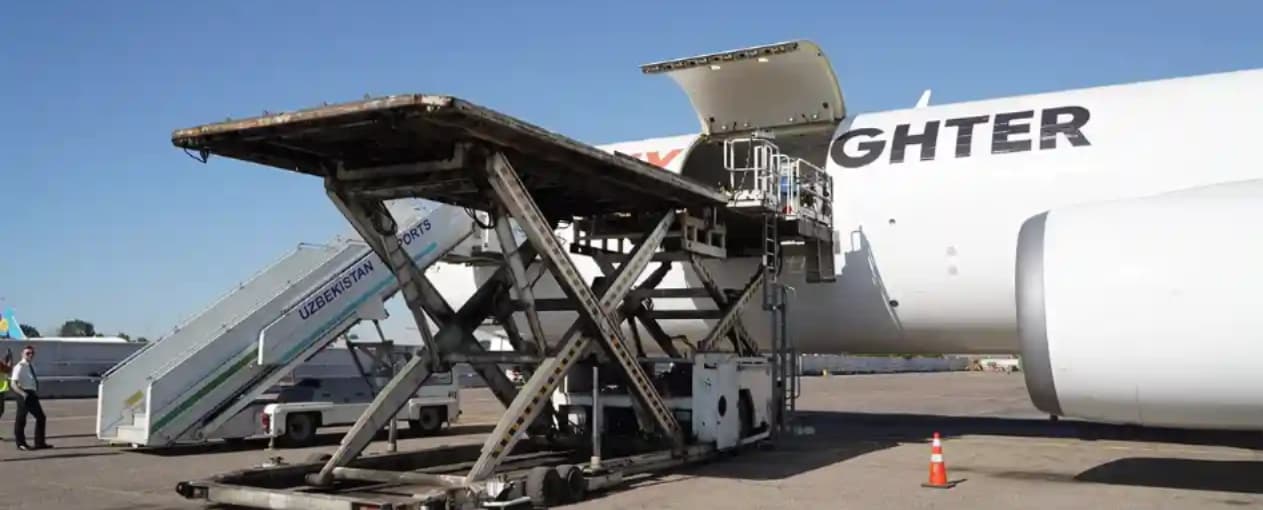
The cost of air delivery today depends not only on the distance between the departure and destination points. In 2026, the formation of the tariff is influenced by market conditions, aviation fuel prices, transport capacity availability, route characteristics, and requirements for transported cargo. For businesses, it is important to understand the cost structure and factors affecting the final cost of transportation in advance. This allows for more effective budget planning and the selection of optimal solutions for international logistics.
Why does the cost of air cargo transportation constantly change?
The air delivery market is characterized by high sensitivity to external changes. The cost may vary even with the same route and product category. The reason lies in a set of factors that airlines take into account when forming tariffs.
Changes do not occur randomly. The price is influenced by carrier production costs, route load, and the situation in the global market. Therefore, tariffs rarely remain stable for a long period. Next, we provide a detailed overview of the key factors determining the cost of the service.
What factors shape airline fares?
The airline calculates the cost based on several indicators. Each of these affects the final price separately and in combination with other transportation conditions. The following items are taken into account during the calculation:
- Fuel costs;
- Loading air lines;
- Cargo characteristics;
- Safety requirements;
- The cost of terminal services;
- Availability of aviation capacity.
Even with the same distance, the fare may vary depending on the season and flight availability. The cost structure of a specific carrier is also significant. Therefore, a transparent approach to cost estimation and understanding the logic of price formation are important for businesses.
How the Global Economy Affects the Air Cargo Market
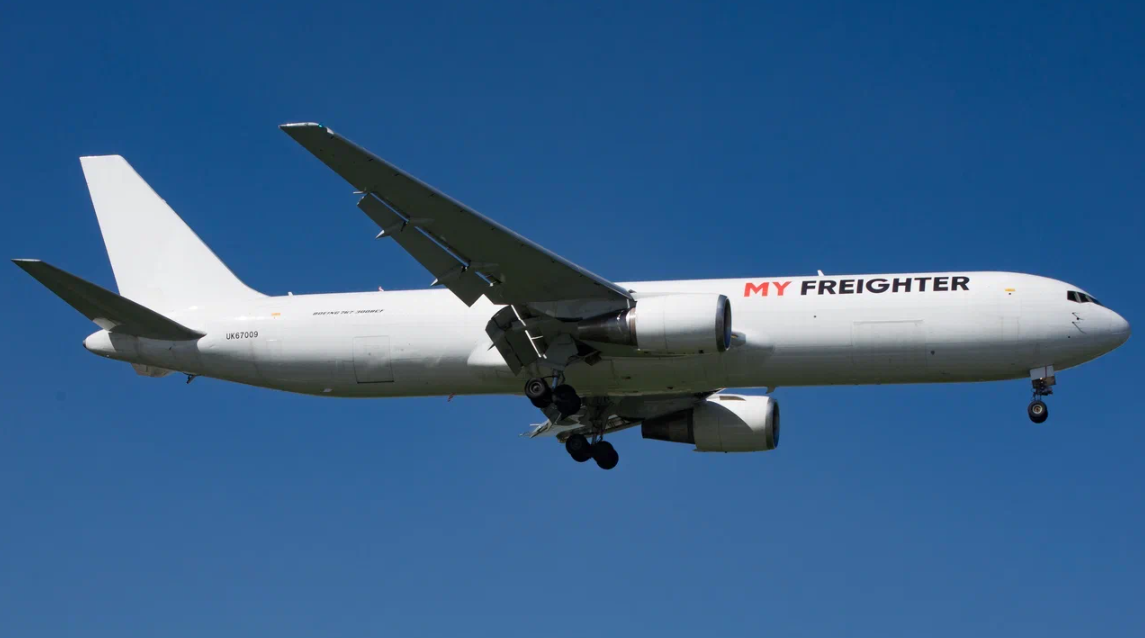
Aviation logistics is directly linked to the economic situation. Changes in trade flows, exchange rates, and production activity are reflected in transportation. When the global market shows positive demand, air traffic begins to grow, and along with it, the cost of services changes.
International trade plays a significant role. Export and import flows form the load on airlines and influence the availability of transport capacities. For example, certain routes through China and other production centers remain strategically important.
Industry indicators help to assess the situation in advance:
- Volume of cargo transportation;
- Flight load level;
- Fleet maintenance cost;
- Regional dynamics;
- Industrial activity rates;
- Change in demand for manufactured goods;
- The state of international trade.
Such indicators are regularly analyzed by the International Air Transport Association (IATA). Based on the collected data, the organization monitors demand changes and identifies key trends in the global air transportation market. For industry participants, such analytics serve as an important tool for forecasting tariffs and assessing future price fluctuations.
Main factors affecting air delivery costs in 2026
The cost of transportation consists of technical and commercial parameters. Companies evaluate the characteristics of the cargo and the logistical scheme before processing the shipment. This helps to obtain an accurate forecast of expenses. Let us consider which factors form the cost of the service.
Weight and volume of the cargo
Weight remains one of the main criteria for evaluation. In this case, not only the mass but also the volume of the load is of great importance. Lightweight but bulky goods can take up a lot of space and affect the aircraft's load. The following parameters are used for evaluation:
- Actual weight;
- Volume indicator;
- Packaging size;
- Placement density;
- Minimum booking volume;
- Features of placement in the cargo compartment;
- Allowable upload restrictions.
It is these values that allow for an accurate calculation of air transportation costs without distortions or hidden surcharges. An error in the initial parameters can lead to tariff adjustments after the cargo has been accepted.
Transportation route and distance
The route affects costs no less than the characteristics of the cargo. A direct flight usually reduces travel time, but it is not always the most cost-effective.
The cost depends on the logistical scheme and the number of intermediate operations. When shipping through a large city, costs may vary due to terminal maintenance and capacity availability.
Urgency of delivery
Urgent transportation requires separate organization. It is necessary to reserve a seat, process documents faster, and coordinate processing at the terminal. The shorter the allowable waiting time, the higher the costs. This is especially noticeable in the cargo segment and products with strict contractual terms.
Cargo type and special shipping conditions
Some categories require additional preparation. These include temperature loads, hazardous materials, and expensive products. Special requirements apply to such shipments:
- Monitoring of storage conditions;
- Separate packaging;
- Additional inspections;
- Certification;
- Special processing procedure;
- Enhanced security measures;
- Special marking.
Such conditions increase the costs of the carrier and are reflected in the tariff. The more complex the processing requirements, the higher the load on terminal and transport processes.
Seasonality and peak periods
Seasonality remains a noticeable market factor. Before holidays and during active trade, demand increases, and capacity availability decreases. During these periods, carriers often redistribute cargo. Therefore, it is important for businesses to consider possible changes and plan supplies in advance.
How fuel costs affect airline tariffs
Fuel accounts for a significant portion of aviation industry expenditures. Its price affects the work of carriers and tariff policy. Market fluctuations are reflected in cargo logistics quite quickly. Even if all other conditions remain unchanged, a change in the cost of fuel can change the final delivery price.
The formation of expenses is linked to several elements:
- The purchase price of fuel;
- Regional accessibility of resources;
- Load on aviation infrastructure;
- Change of routes;
- The cost of technical maintenance;
- Total costs of carriers;
- Market restrictions.
Similar processes are observed on many international routes, including those passing through the Russian Federation and neighboring regions. The fuel component rarely operates separately and is usually combined with other operating expenses.
Why aviation fuel prices are reflected in shipping costs
Fuel affects the cost of each flight. When expenses increase, airlines adjust tariffs to maintain operational stability. On individual routes, changes occur faster, especially if the transportation passes through an international border. For businesses, this means monitoring the current market and assessing risks in advance.
How businesses can reduce air transportation costs in 2026
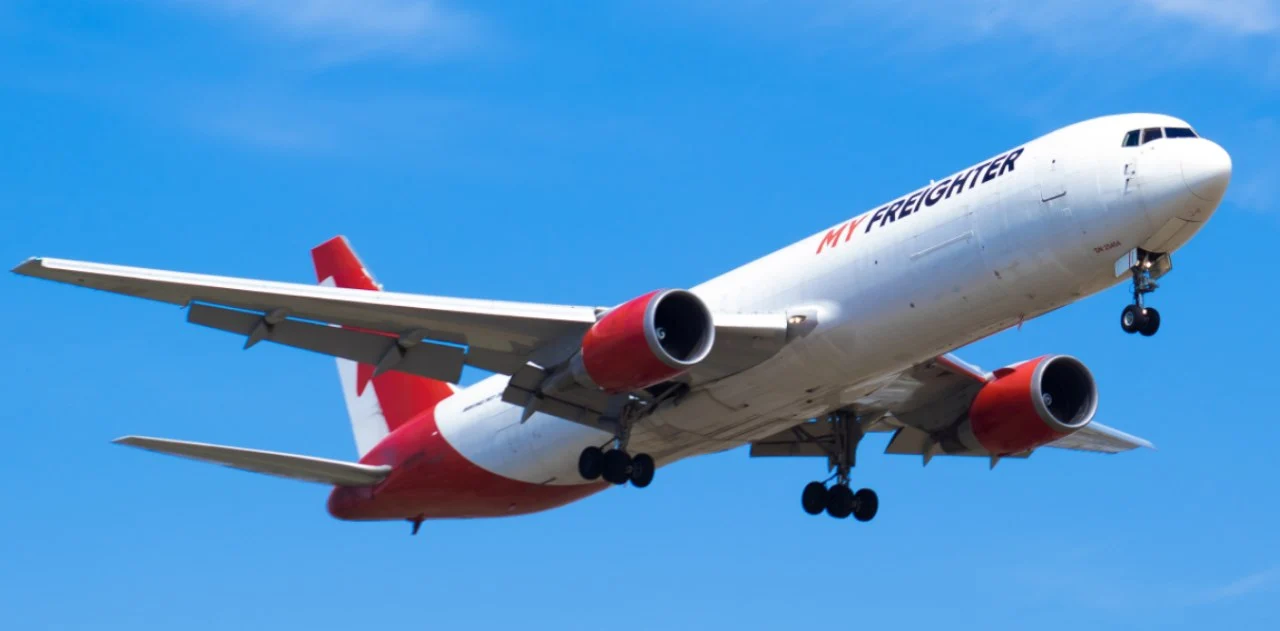
Expenditure control is possible even under changing market conditions. This requires the competent organization of supplies and the correct selection of a logistical model. MyFreighter helps you choose solutions based on the specifics of the cargo and the geography of delivery. This approach allows for cost reduction without compromising service quality.
Planning supplies in advance
Booking in advance helps you choose more convenient transportation terms. The customer gains access to more options and can avoid peak tariffs. For effective planning, it is useful to:
- To determine the volume of supplies in advance.
- To coordinate the departure dates.
- Consider the seasonal load.
- Check route availability.
- Analyze backup transport options.
This approach is particularly beneficial for international transport in 2026. Preliminary planning helps companies avoid hasty decisions and more rationally allocate their logistical budget.
Consolidation of multiple shipments
The combined format helps to unite the batches of different clients. Due to this, expenses are distributed more efficiently, and the cost of individual delivery is reduced. Consolidation is suitable for businesses that are not ready to order a full volume of cargo. With proper organization, it must maintain an acceptable balance between speed and costs.
Optimal route selection
The route determines not only the speed but also the expenditure structure. Sometimes, an intermediate processing scheme is more rational than direct delivery. Today, many companies use online services and calculators to estimate costs in advance. However, such tools can only use source data. The final decision requires professional analysis.
Trends in the air cargo transportation market in 2026
The market continues to change under the influence of economics and trade. Cargo transportation in 2026 will become more technological and cost-oriented.
Demand for fast service persists both within the Republic of Uzbekistan and on international routes through Russia, China, and other countries. Companies strive to calculate costs in advance and focus on route efficiency. At the same time, the key selection parameter remains the same - a combination of reliability, speed, and controlled cost.
MyFreighter organizes cargo transportation on international routes and helps businesses choose optimal solutions for air delivery. Professional assessment of transportation conditions allows for more accurate budgeting and better management of logistical costs.
My Freighter continues to develop confidently, creating modern logistics solutions for business and strengthening its role in the international market.