 8 min
8 minHow modern IT systems enhance the transparency of air cargo deliveries
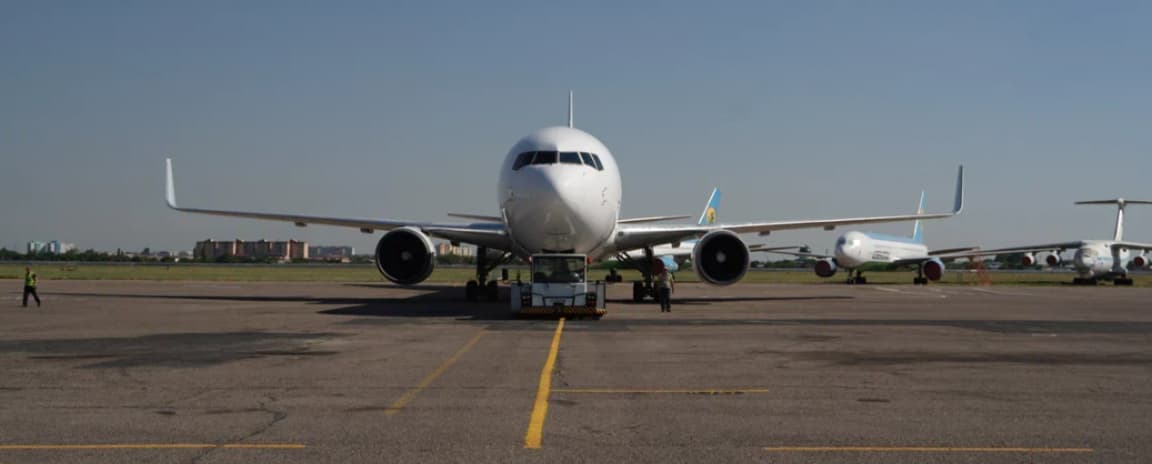
Air transportation has long ceased to be a process that the customer sees only at the moment of shipment and receipt. For a business, it is important to understand where the cargo is located, which procedures have been completed, and what actions are being taken next. Modern digital tools are changing the approach to supply chain management, making aviation logistics predictable. Myfreighter utilizes such technologies to organize transportation in Tashkent across the country's regions and on international routes, helping customers operate without information disruptions or accidental delays.
What is air cargo delivery transparency and why is it important for business?
The transparency of air shipments refers to the ability to obtain reliable information regarding cargo movement, accompanying documents, and the operations performed at each stage of transportation. For businesses, transparency means more than just convenience. It affects delivery times, inventory management, and financial discipline. When transportation is controlled by digital means, the dependence on manual messaging and errors decreases.
For international air transportation, such a model is particularly important. The cargo undergoes customs clearance, terminal processing, and several stages of control involving various logistics chain operators. Any delays or inconsistencies in data exchange may lead to increased delivery times and additional costs.
The main challenges of non-transparent cargo logistics
The non-transparency of logistical processes occurs when transport participants operate in scattered information systems. Some operations are recorded manually, and the exchange of documents and data occurs with delays. As a result, the customer does not have full information about the cargo's status and loses the ability to respond promptly to changes during transportation. Typical problems include:
- Gap between warehouse and transportation data.
- Delays in document submission.
- Lack of a unified history of operations.
- The complexity of controlling contractors.
Such restrictions are reflected not only in the deadlines. The company loses control over transportation and spends additional resources on refinements. Supplies with high costs and strict contractual obligations are particularly sensitive.
What risks arise when there is no control over air cargo?
Insufficient levels of control increase operational and financial risks. Without up-to-date information on cargo status, it is more difficult for companies to plan deliveries, manage inventories, and respond promptly to schedule deviations. Even a minor mistake at one stage can affect the efficiency of the entire supply chain. The most common results of such omissions are:
- Inconsistency of data in documents;
- Downtime during shipment delivery;
- Loss of time for coordination;
- An increase in expenses for urgent adjustments.
For a business, speed is not the only thing that matters. Confirming each stage of transportation becomes no less important. That is why digital logistics is gradually becoming an industry standard.
Which IT systems are used in international cargo logistics?
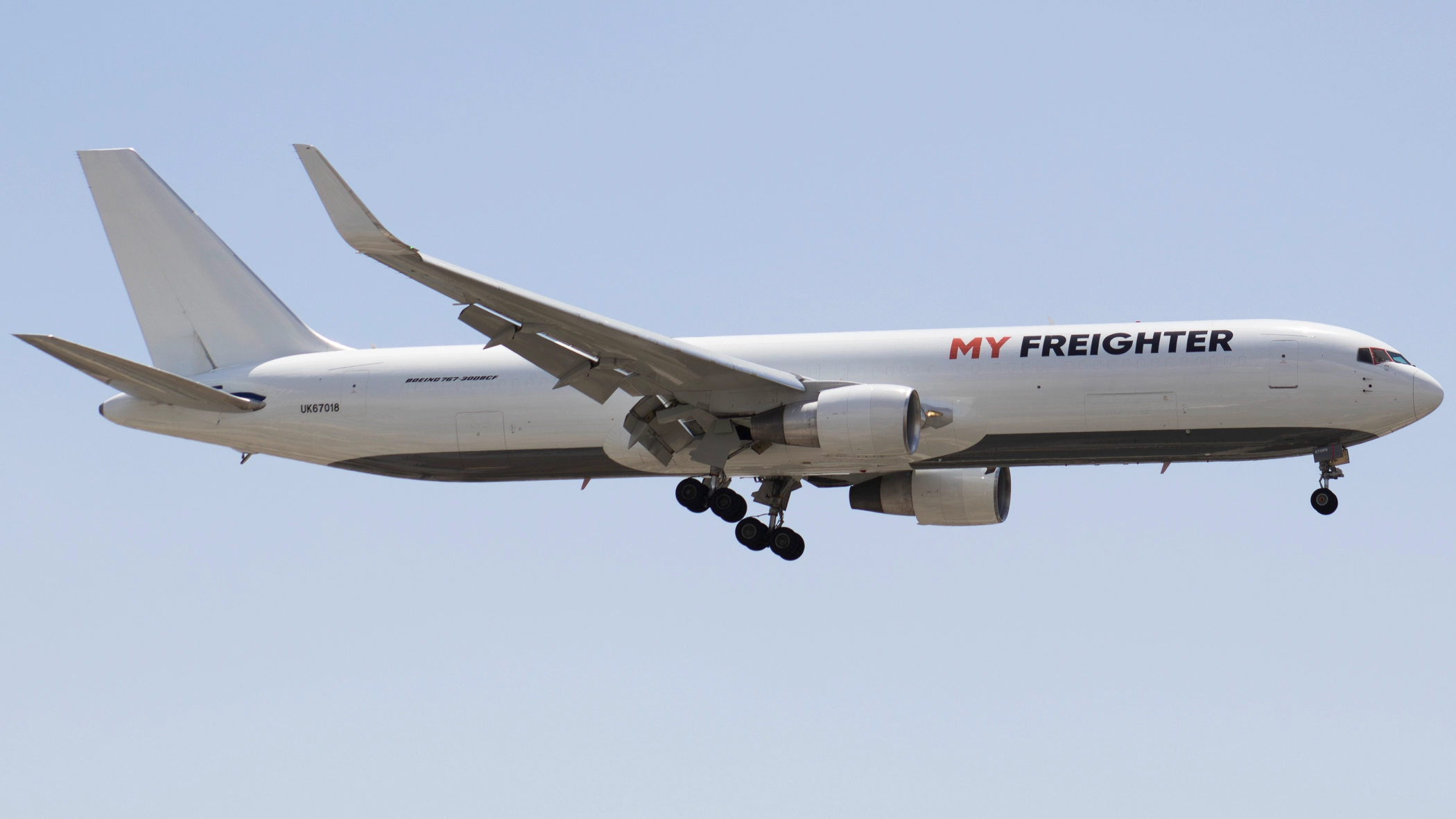
Three main groups of IT systems are used in international logistics. TMS platforms manage routes, loading, and transportation. Monitoring systems control the movement of cargo. Electronic document management platforms ensure the exchange of transport and customs documents between supply participants. The integration of these solutions helps carriers and customers work in a single digital environment without data duplication.
Air Cargo Management Systems
TMS and Cargo Management Systems are used for air transportation planning. They distribute shipments across flights, calculate available cargo capacity, monitor loading, and help choose a route based on timeframes and stops. Such systems also coordinate terminal operations and batch processing at various stages of transportation.
Real-time air cargo tracking platforms
Monitoring systems receive data from airlines, terminals, and logistics operators. Based on them, a unified transport history is formed. The customer sees the receipt of the cargo, departure, transit processing, and readiness for delivery.
For businesses, tracking cargo by number allows for monitoring deadlines without constant requests to the manager. Tracking helps quickly identify delays and adjust supply plans.
Electronic document management and digital transport documents
EDI platforms and electronic document management systems are used to transmit air waybills, invoices, packaging sheets, and customs documents. Digital exchange reduces reconciliation time and reduces the risk of errors when re-entering information.
Electronic documents simplify the verification, storage, and searching of information. For international logistics, this is especially important, as the shipper, carrier, terminal, and regulatory bodies participate in transportation simultaneously.
How digital technologies help control the movement of goods
Digital control is built not on individual messages, but on a linked data system. All transport participants have access to up-to-date information within their functions. This allows for the detection of deviations before critical delays occur.
Tracking the location of cargo at each stage of air transportation
Movement control includes recording operations at the terminal, during processing, and during transfer between participants. Tracking cargo via air waybill helps confirm completed actions and evaluate transportation dynamics. The following parameters are particularly important for customers:
- Confirmation of shipment acceptance;
- Fixation of terminal processing;
- Transfer between participants;
- Confirmation of readiness for extradition.
This approach allows businesses to plan internal processes with greater precision. The system displays not only the sending fact but also the sequence of actions.
A unified information space for all participants in the supply chain
A unified digital environment eliminates the problem of inconsistent data. The carrier, sender, and terminal work with shared records. This reduces the number of repeated requests and accelerates the coordination of actions.
Such a model is particularly in demand when working through several states and transport hubs. It helps to distribute responsibility more quickly and monitor the execution of operations.
Advantages of IT systems for air freight customers
Digitalization provides customers with not only a high level of control but also a measurable economic effect. Process automation reduces the likelihood of errors and associated costs, while precise planning helps prevent delays and minimize the risks of supply disruptions. Such advantages acquire the greatest value during regular international transportation.
Reducing errors and delays
Automation reduces the impact of the human factor. Systems record operations sequentially and exclude the loss of part of the data. Thanks to this, the number of corrections and re-agreements is reduced.
Accelerating the processing of applications and documents
Electronic processing helps to process requests faster and coordinate operations. The client receives confirmation without a long wait. For businesses, this means a stable pace of transportation.
Improving the accuracy of supply planning
Accurate digital records help in forecasting deadlines and calculating warehouse loading. Managers receive a basis for resource allocation. This approach reduces the likelihood of unplanned expenses.
Improving interaction between the sender and the carrier
Digital channels reduce the number of conflict situations. Each operation is recorded and confirmed by the system. Dialogue between the parties is built on facts, not on assumptions.
The role of digitalization in international air cargo transportation
International aviation logistics is developing rapidly under the influence of digital technologies. Increasing competition and growing customer expectations are stimulating the implementation of new digital solutions. Companies that invest in such instruments increase operational transparency, reduce risks, and build more sustainable supply chains. Let's consider the most effective solutions that help increase transparency and control at all stages of transportation.
Using electronic air waybills (e-AWB)
Electronic air waybills have become a vital element of modern transportation. It reduces paperwork and accelerates data exchange between participants. Digital format increases processing accuracy and facilitates the audit of operations.
Integration with customs and government systems
Integration reduces the number of manual actions during transport coordination. Data transmission is performed faster and allows for a reduction in processing time. This approach increases the predictability of international supplies.
Automation of cargo terminal operations
Terminals utilize digital mechanisms to distribute flows and account for operations. Automation helps reduce queues and improves shipment processing. As a result, the efficiency of all transportation increases.
How IT Systems Increase Supply Transparency in Uzbekistan
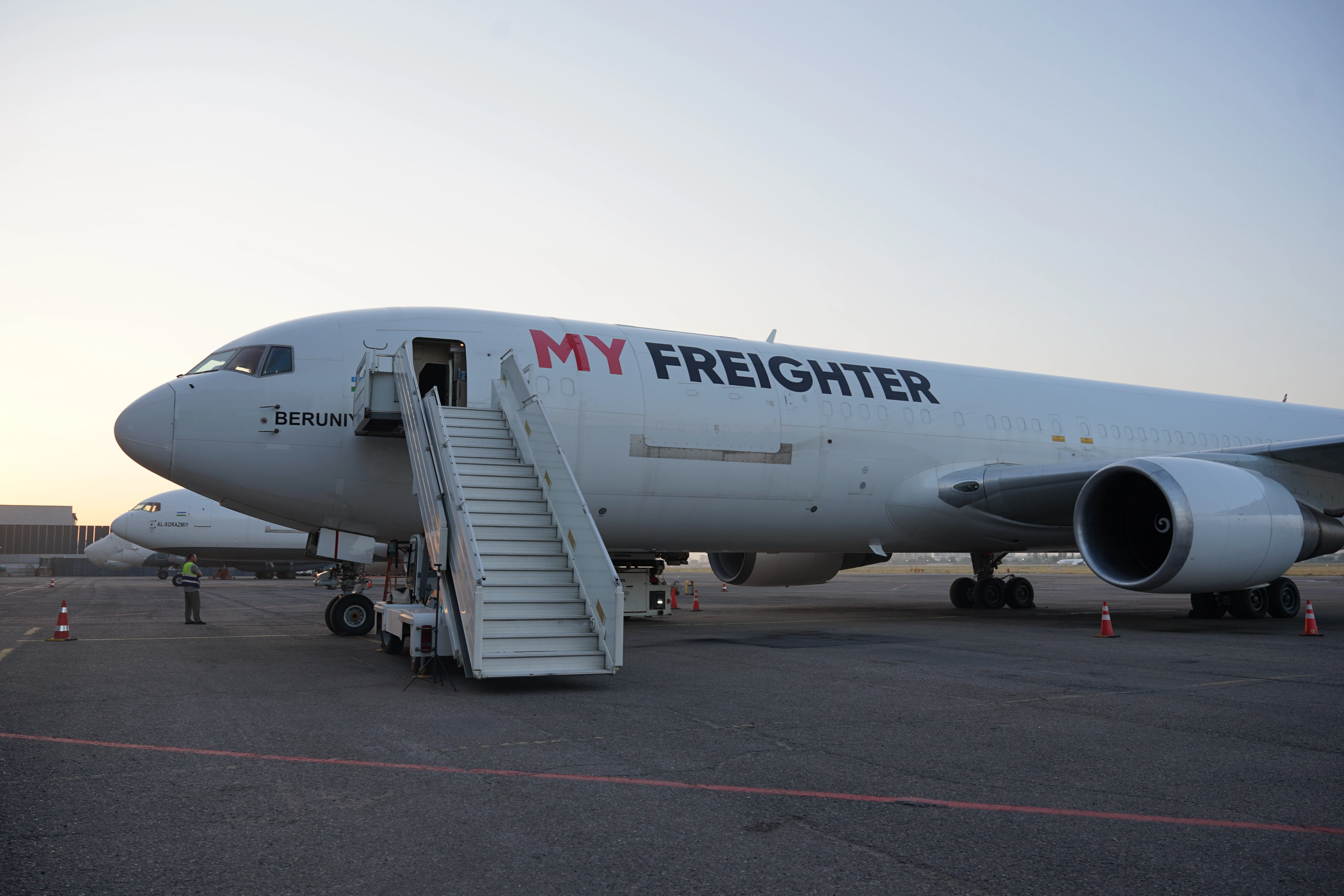
Delivery transparency in Uzbekistan is being enhanced through digital data exchange between airlines, terminals, logistics operators, and government agencies. IT systems allow for recording transportation stages, monitoring cargo movement, and confirming operations more quickly.
For customers, this means accessing up-to-date transportation information and reducing the number of unclear statuses or delays without explanation.
Development of digital logistics infrastructure
Digital infrastructure includes electronic document management systems, cargo tracking platforms, and the integration of logistics services with customs procedures. Such solutions help accelerate the processing of air waybills, the exchange of permits, and the confirmation of cargo operations.
This is especially important for international air transportation. The faster terminals and carriers exchange verified data, the less time the cargo spends in intermediate stages and the lower the risk of errors during processing.
Prospects for implementing new technologies in cargo aviation
In cargo aviation, the use of analytical platforms and automated data processing is expanding. Such systems predict flight congestion, help distribute cargo capacity, and identify possible delays on the route in advance.
What benefits do companies receive from air cargo transportation transparency?
Transparency is becoming one of the key factors of competitiveness. It allows businesses to manage processes more effectively, plan deliveries more accurately, and reduce operating costs. In international logistics, such advantages directly affect the reliability of the entire supply chain.
MyFreighter implements modern digital solutions for organizing and supporting air transportation. Thanks to this, customers gain full control over logistical operations, prompt access to information, and the ability to make management decisions more quickly. If your business needs a reliable partner in the field of aviation logistics, MyFreighter will help you build transparent, predictable, and efficient international transportation processes.
My Freighter continues to develop confidently, creating modern logistics solutions for business and strengthening its role in the international market.