 9 min
9 minWhen Air Freight Is More Profitable Than Sea and Road Transportation
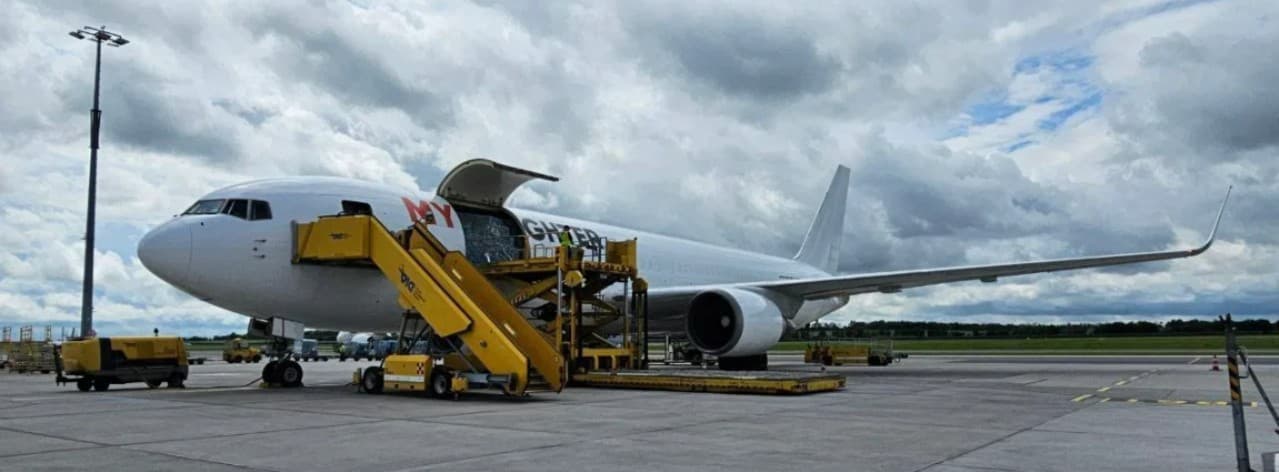
The choice of delivery method directly affects the speed of delivery, product safety, and overall business expenses. For some categories of cargo, sea container transport remains the optimal solution, while for others, it is automotive logistics. However, in situations where goods need to be delivered within a short timeframe, reduce delay risks, or ensure rapid delivery between distant countries, companies are increasingly choosing air delivery.
International and domestic air cargo transportation allows for the rapid dispatch of valuable, urgent, and time-sensitive goods while maintaining control over the route and arrival time of the shipment. This article will discuss in which cases air delivery proves to be more profitable than sea and road transport, as well as the advantages it provides to businesses.
In which cases does the business choose cargo transportation by air?
For international trade, the speed of delivery directly affects the company's profit. If goods are delayed at the border or in a transit port, the business loses time, and in some cases, a portion of its customers. For this reason, cargo delivery by air is actively used in areas where an efficient and reliable logistics format is required.
The air transport method is particularly in demand when handling expensive goods, medical products, and urgent commercial shipments. Unlike maritime logistics, air delivery allows for faster delivery of products to a distant continent and reduces the time lag between shipment and arrival.
The main situations in which a business chooses air transportation:
- Limited delivery time under contract.
- Necessity to transport fragile or valuable goods.
- Sending products to long distances.
- Working with the rapidly growing electronic commerce market.
- Supply of products to difficult-to-reach regional points.
For companies from Uzbekistan, the ability to quickly organize shipments to Europe, China, and CIS countries is particularly important. At the same time, transporting cargo by air allows for the minimization of weather factors and reduces the risk of damage to the goods during overloading.
How does air cargo delivery differ from sea and road transportation?
The main difference in aviation logistics lies in the speed of shipment processing. A sea vessel can be on the road for several weeks, while land transport depends on road conditions, border capacity, and seasonal restrictions.
Air freight allows for significantly faster delivery times. Additionally, air cargo passes through fewer transshipment stages, which has a positive impact on product safety. This option is especially suitable for expensive equipment, pharmaceuticals, and urgent deliveries.
Another feature of air transportation is transparent route control. The shipper and the consignee can monitor the movement of the shipment in real time. This allows for a faster response to changes in flight direction or schedule.
When international air cargo transportation is truly more profitable
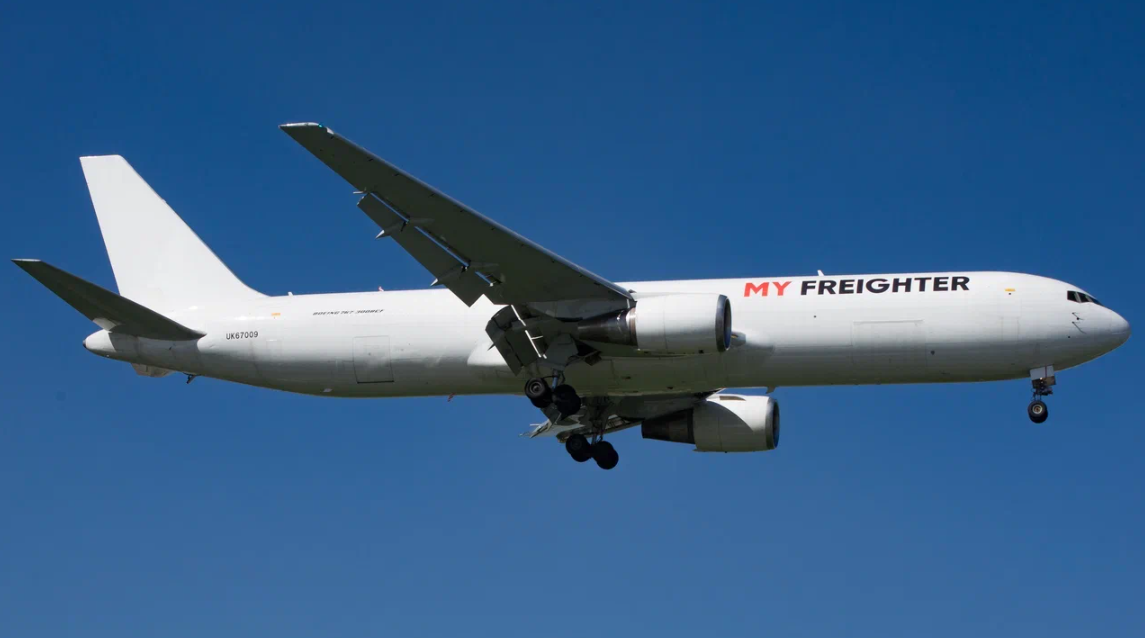
Not every cargo transportation requires the use of an aircraft. However, in a number of situations, it is air transport that becomes an economically justified solution. This is especially noticeable when comparing business losses due to product delays and expenses for fast delivery. When choosing a logistics format, companies typically evaluate:
- Storage cost of products in the warehouse.
- Risk of breach of commercial obligations.
- The product's demand for delivery times.
- Possible losses in the event of cargo damage.
- Necessity to observe the delivery schedule.
- Features of the international route.
If a product has high turnover or quickly loses its value, air transportation is in many cases more profitable than sea or road delivery.
Transportation of high-value goods
Expensive goods require precise control at all stages of transportation. For electronics, industrial equipment, and premium products, it is important to minimize the number of overloads and comply with storage conditions.
With air delivery, the shipment passes the transport route faster and spends less time in terminals. This reduces the likelihood of damage or loss of cargo. Additionally, companies can use secure containers, enhanced packaging, and a separate escort mode.
Large-sized, expensive cargo can also be transported by air. Modern aircraft are capable of transporting bulky and heavy goods, provided their mass meets the aircraft's load capacity parameters.
Delivery of perishable goods
Perishable goods are particularly sensitive to delays in transit. For food products, flowers and certain categories of raw materials, delivery time is a critical factor.
In maritime logistics, the transportation time may take several weeks. During this period, the quality of the products deteriorates significantly. Air delivery allows for reducing transportation time and maintaining the necessary temperature regime. For such deliveries, the following are typically used:
- Special pallets with cooling.
- Hermetic containers.
- Express cargo handling at the airport.
- Minimum storage period.
- Accurate control of arrival time.
Thanks to this, the shipper gains the opportunity to ship products over very long distances without significant quality losses.
Limited-time international shipments
Many manufacturing companies operate according to a pre-agreed supply schedule. If the goods do not arrive on time, production may stall and the customer may incur additional expenses.
In such situations, international logistics requires the most efficient transportation format possible. This is especially true for combined deliveries, where small batches of goods must be quickly delivered to several recipients.
Air cargo transportation from Uzbekistan abroad and back is actively used for urgent commercial deliveries between production centers. This method helps reduce equipment downtime and fulfill agreements between the parties more quickly.
Transportation of medical and pharmaceutical goods
Pharmaceutical products require strict control over temperature, humidity, and shelf life. Many drugs are transported in accordance with air freight regulations and additional international requirements.
For medical supplies, the following are important:
- Maintaining the temperature regime.
- Minimum delivery time.
- The right legal package of documents.
- The ability to quickly process a shipment.
- Monitoring of storage conditions during flight.
- Product safety during loading.
In such cases, the air cargo transportation contract usually includes separate conditions for the carrier's liability. This is especially important when working with vaccines, laboratory materials, and expensive drugs.
Advantages of air cargo transportation
For international businesses, air delivery has long ceased to be an exclusively expensive mode of transportation. In many areas, this format helps reduce total expenses by accelerating delivery and reducing warehouse costs.
Companies that regularly work with exports and imports are increasingly entrusting air logistics to professional operators. Cargo transportation is particularly actively used in the fields of electronic commerce and industrial supply.
Safety of cargo during air transportation
During air transportation, the goods undergo a limited number of transshipments. This reduces the risk of packaging damage and simplifies shipping control. Additional security is provided by:
- Checking the cargo before loading.
- Fastening products inside the aircraft.
- Compliance with international requirements for packaging.
- Limited access to cargo at terminals.
This approach is ideal for transporting machinery, medical equipment, and other sensitive categories of products.
Cheap insurance
Despite widespread opinion, air cargo insurance is often cheaper than maritime transportation. This is explained by the lower risk of damage to the goods and the shorter duration of the cargo's stay on the road.
The insurance cost is usually calculated taking into account the product category, route and declared value. In this case, the cargo owner receives additional financial support for the carrier's liability.
No need for storage
When transported by sea, goods often occupy warehouse spaces in the port for several days or even weeks. Air delivery allows for long-term storage and faster delivery of products to the recipient.
For businesses, this means reducing costs for warehouse rent, processing and product storage. Companies working with high-turnover goods achieve particularly beneficial results.
Hard-to-reach delivery
Aviation allows for deliveries to destinations where there is no convenient land route or where the tonnage of road transport is limited. In some cases, only an airplane is capable of quickly delivering cargo to a remote destination. Such supplies are in demand when working with construction sites, industrial projects, and remote production sites.
How to compare the cost and delivery times of different types of delivery
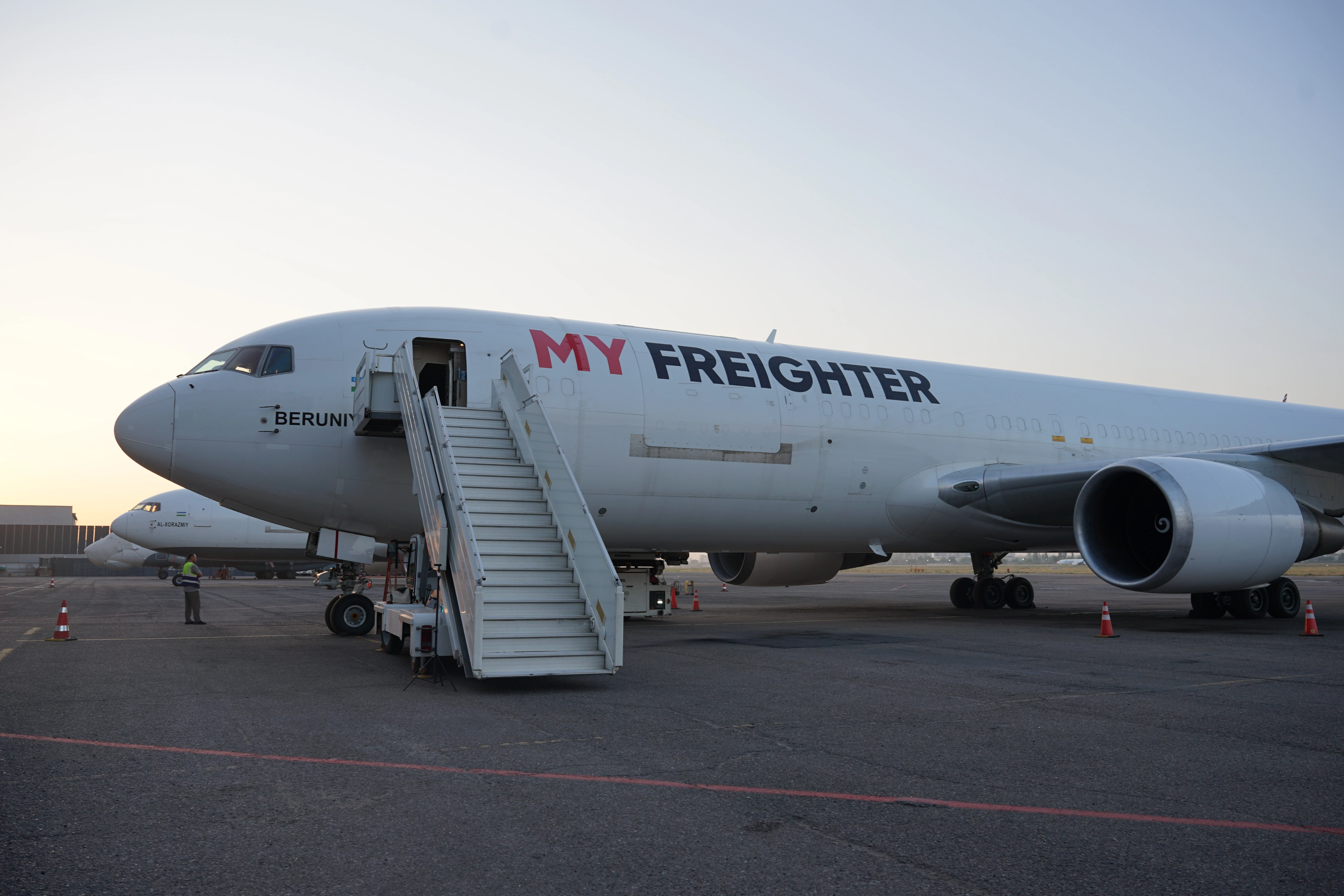
When choosing between maritime, road, and air logistics, it is important to consider more than just the carrier's tariff. It is necessary to assess the full volume of expenses, including product storage, delays, and potential business losses.
In many cases, the cheap sea way ends up being much more expensive due to the long wait for delivery. This is especially noticeable when transporting products with a limited sales period.
What affects the cost of air cargo transportation
Air delivery prices depend on several factors. The final cost is influenced by the shipment size, product category, route, and the need for additional processing. The following are taken into account when calculating the tariff:
- Mass and volume of the cargo.
- Product packaging type.
- Urgency of dispatch.
- Presence of special transportation conditions.
- Delivery format - complete or assembled shipment.
- Route direction.
- Need for express delivery.
Today, many companies offer to order air freight calculations online. Such a service helps to calculate expenses in advance and select an effective delivery option.
How a business reduces losses through air delivery
For businesses, delivery speed is directly linked to financial results. The faster the goods reach the recipient, the less the company loses from storage, delays, and downtime.
Using air transportation helps reduce product damage, fulfill obligations to partners faster, and maintain stable logistics even during periods of global market instability.
Furthermore, fast flight allows companies to respond flexibly to changes in demand. This is especially important for industries where the decision to purchase a product is made in a short period of time.
When air transportation becomes a strategically beneficial solution
Air delivery becomes strategically advantageous in cases where speed, reliability, and precise supply control are important to the business. This format is particularly effective for expensive products, urgent orders, and international destinations with high business activity.
The company MyFreighter specializes in organizing international air transportation in Tashkent and other cities of Uzbekistan. The company's service allows you to quickly process shipments, select the appropriate route, and monitor cargo movement at every stage of delivery.
My Freighter continues to develop confidently, creating modern logistics solutions for business and strengthening its role in the international market.