 9 min
9 minSeasonality in Air Cargo Transportation: When Demand Rises and Rates Change
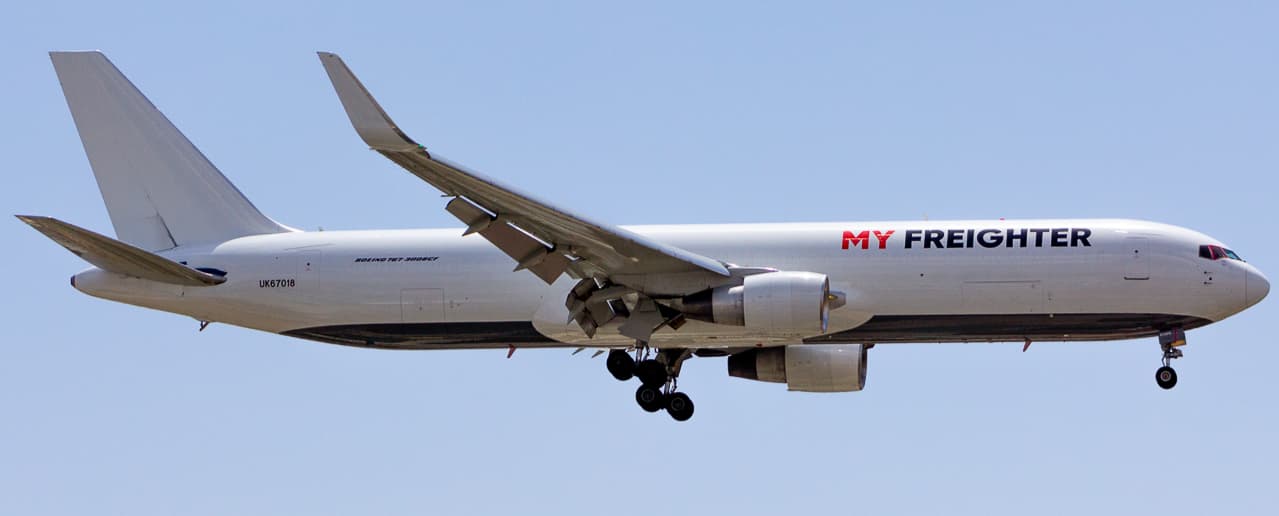
Throughout the year, the cost and availability of air transportation can change significantly even on the same route. The market is influenced simultaneously by the calendar, business demand, weather conditions, flight schedules, and airport congestion. Changes are particularly noticeable during major sales periods and ahead of major holidays, when companies need to replenish inventory more quickly. Below, we examine how seasonality in air cargo transportation works and what should be considered when planning shipments.
How Seasonal Factors Affect the Price of International Air Cargo Transportation
Seasonality plays an important role in logistics. This factor often directly affects the cost of transporting cargo by air, because shipment volumes and available cargo capacity vary at different times of the year.
When demand grows faster than carriers can provide space on flights, available capacity decreases and rates rise. Therefore, the cost of international transportation depends not only on the distance and consignment characteristics, but also on the period in which the shipment takes place.
International Air Cargo Delivery in Summer
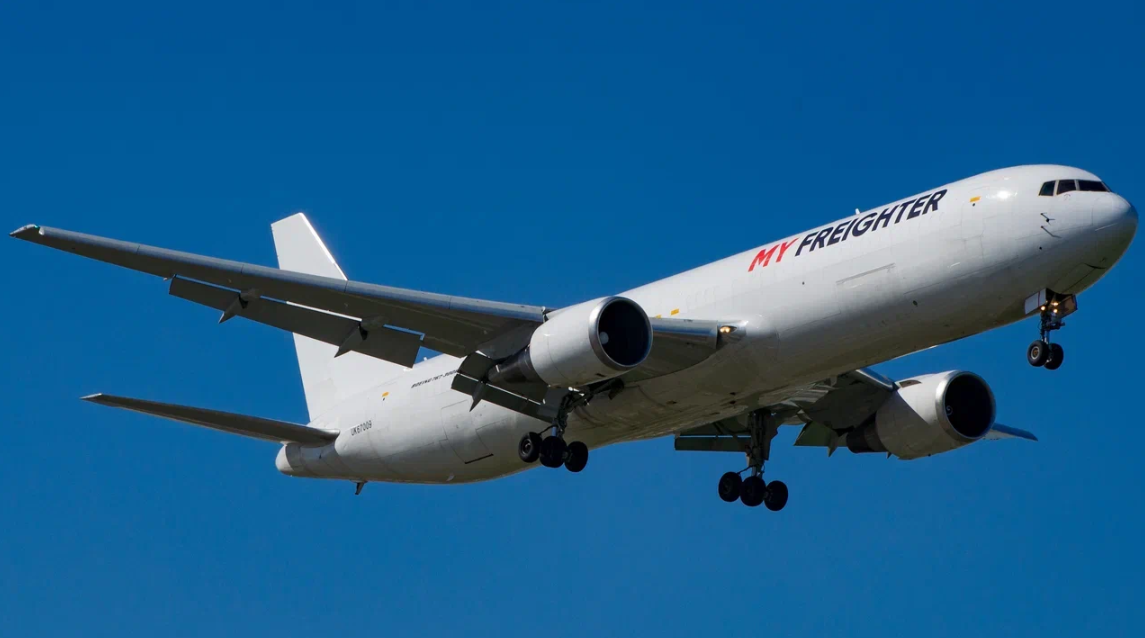
In summer, demand for air cargo transportation varies depending on the type of goods. For Uzbekistan, the shipment of fruit and vegetable products and other goods with a limited shelf life is particularly relevant: the faster a consignment moves from shipper to consignee, the less time there is for the product to lose its commercial properties. At the same time, companies may increase inventory ahead of periods of higher demand, which raises the need for air delivery of finished goods and components.
For international shipments from Tashkent, the route is selected based on the flight schedule, available cargo capacity, and product requirements. For heat-sensitive goods, the permissible temperature range, handling conditions, and packaging are agreed in advance. Where necessary, the carrier provides special conditions at individual stages of the route, because temperature requirements must be observed not only during the flight but also during ground handling.
Advantages and Disadvantages of Summer Transportation
The main advantage of summer air delivery is the shorter time between dispatch and receipt of the goods. For perishable products, this helps reduce the transportation period, while for commercial consignments it makes it possible to replenish inventory more quickly and respond to changes in demand. Another advantage is the ability to ship small urgent consignments without waiting to form a large cargo batch.
At the same time, summer transportation also has limitations. High temperatures require additional measures for heat-sensitive goods, while increased demand may reduce available capacity on flights and raise rates. For businesses, this means that delivery should be booked in advance before the high season in air cargo transportation begins, and packaging, temperature-control, and cargo-handling requirements should be checked separately.
Air Cargo Delivery in Winter
In winter, demand for air transportation changes noticeably due to pre-New Year trade and seasonal sales. Retailers increase inventories in advance, while online stores expand shipment volumes, so cargo flights become more heavily loaded toward the end of the year. The effect of holidays on cargo transportation is reflected not only in a higher number of shipments: the operating schedules of warehouses, customs services, and consignees also change.
For businesses, this means winter deliveries need to be planned in advance. When calculating transit time, not only the air transportation itself but also customs clearance, the working schedules of participants in the logistics chain, and the availability of cargo capacity are taken into account. For regular shipments, it is advisable to prepare a delivery schedule before the pre-New Year peak begins.
Advantages and Disadvantages of Winter Transportation
In winter, air delivery is particularly relevant for consignments that must arrive by a specific date. Fast transportation makes it possible to replenish inventory more quickly before the holidays and to ship urgent goods when ground delivery can no longer meet the required deadline. At the same time, weather conditions and high flight loads may make transportation more complicated.
The main advantages and limitations of the winter period are associated with the following factors:
- The ability to deliver goods quickly before holiday sales begin;
- Convenience for urgent and lightweight shipments;
- The need to reserve cargo capacity in advance;
- Risk of delays due to adverse weather conditions;
- Possible rate increases when flights are heavily loaded;
- The need to allow extra time for customs and warehouse processing.
Particular attention should be paid to the scheduled cargo receipt date. If a consignment is intended for air transportation before New Year, even a delay of several days may result in the goods arriving after peak demand has passed. Therefore, winter schedules should be calculated with weekends and public holidays in both the country of departure and the destination country in mind.
International Cargo Delivery in Spring and Autumn
Spring and autumn are considered transitional periods, so the nature of demand for air transportation during these months depends on the specific industry. In spring, companies may increase shipments ahead of the summer season, while in autumn they may replenish inventories before a period of increased sales. Additional fluctuations are caused by the May holidays and businesses preparing for the end of the calendar year.
For cargo from Uzbekistan, seasonality may also be associated with changes in the product range. In spring, deliveries of products for the new season become more important, while in autumn the composition of consignments entering retail networks and warehouses changes. Therefore, when planning international delivery, it is important to align the shipping date not only with the general calendar but also with the production cycle of the specific product.
Advantages and Disadvantages of Spring and Autumn Transportation
For businesses, transitional seasons are convenient because deliveries can be planned without being tied to peak pre-New Year or summer periods. If a specific route is not overloaded, the shipper has more flexibility to choose the date and route, build inventory in advance, and coordinate the schedule with production or sales. The advantages of spring and autumn air transportation include:
- The ability to select the shipping date in advance to match the production or sales cycle;
- More flexible delivery planning between peak periods;
- Convenient inventory replenishment before the start of a new season;
- The ability to divide large consignments into several shipments;
- More precise alignment of the delivery schedule with sales dates.
The disadvantages are primarily related to the fact that a transitional season does not guarantee stable flight loads. Spring sales, preparations for the summer season, the May holidays, or autumn inventory replenishment can create a local surge in demand. As a result, available capacity decreases on certain routes, rates change, and it becomes more difficult to find a suitable flight.
Reasons for Increased Demand for Air Transportation
Seasonal growth in air cargo transportation occurs when businesses need to deliver a larger volume of goods within a limited period. The most obvious example is building inventory ahead of sales and holidays. However, demand may also increase when the usual delivery schedule is disrupted, a new product is launched, or a missing consignment needs to be replaced urgently.
Time pressure has a direct impact on demand. If a delivery delay threatens to stop production, create an inventory shortage, or cause a commercial contract to fail, businesses are more likely to choose air transport instead of a slower mode of transportation. Another factor is limited availability of alternative delivery options: when disruptions occur on certain routes, some cargo shifts to air freight, increasing flight loads and supporting higher rates.
What Determines Air Cargo Transportation Prices
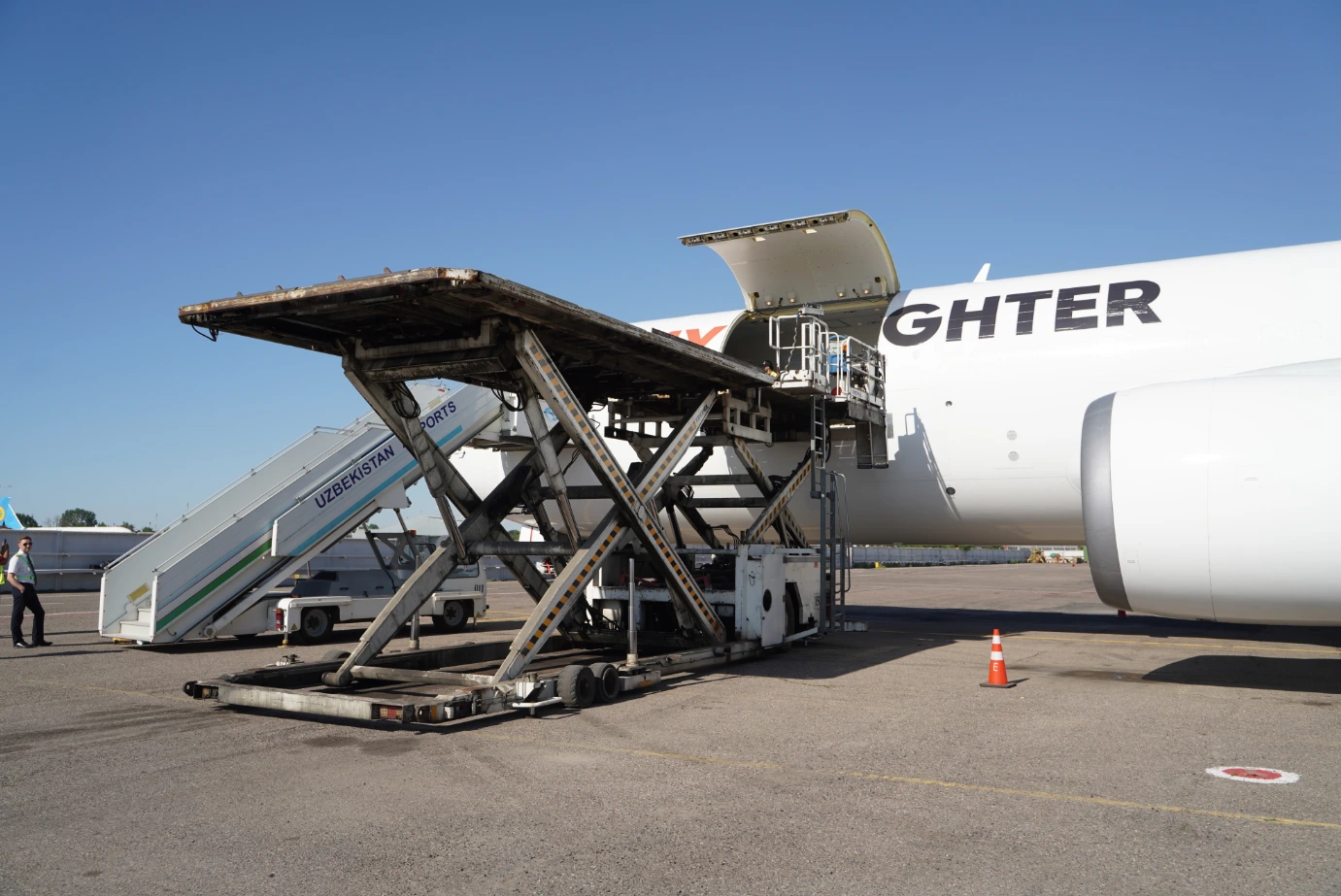
Air cargo rates are calculated based on weight, volume, and route. The final rate is also influenced by the balance between supply and demand. If available capacity is limited while the number of bookings increases, air freight rates may rise. In addition to the base rate, terminal handling, delivery to the airport, customs procedures, and additional services are taken into account.
The regularity of shipments should also be considered separately. A company that plans its cargo flow in advance has more opportunities to coordinate the schedule and select a suitable transportation arrangement. A one-off urgent shipment during a peak-demand period usually offers fewer opportunities for optimization.
Weather Conditions and Safety
Weather conditions can affect flight schedules and airport capacity. Dense fog, snow, thunderstorms, and other phenomena may lead to flight delays or route changes. At the same time, aviation safety always takes priority over delivery speed.
In practice, the carrier evaluates weather-related factors together with other risks. For valuable shipments, packaging, movement control, and the ability to track the cargo at different stages are important. The air waybill records the main details of the consignment and accompanies it throughout transportation.
What to Consider When Planning Air Cargo Transportation
Seasonality cannot be eliminated, but its impact can be taken into account in advance. To do this, businesses need to align the production plan with the delivery calendar and identify periods when the need for air delivery is likely to increase. This approach helps avoid scheduling critical shipments during the weeks of maximum capacity utilization. When preparing a shipment, it is advisable to:
1. Determine the expected volume and frequency of shipments.
2. Check flight schedules and possible transit options.
3. Allow extra time for customs clearance and handling.
4. Clarify packaging requirements and transportation conditions.
5. Coordinate the schedule with the supplier, carrier, and consignee.
For international transportation from Uzbekistan, it is important to take into account more than just the departure date. The production calendar, availability of transport to the airport, handling time, and the actual receiving window for the goods should all be aligned. If demand begins to rise, it is better to book transportation in advance rather than rely on finding available capacity during the final week.
Proper planning helps reduce the impact of seasonal fluctuations on budgets and delivery times. Seasonality does not always mean a sharp change in rates: much depends on the route, cargo type, and how far in advance the shipment is arranged. Therefore, it is more beneficial for businesses to monitor demand trends and adjust their logistics system in advance than to react after a capacity shortage has already emerged.
My Freighter continues to develop confidently, creating modern logistics solutions for business and strengthening its role in the international market.