 5 min
5 minGreen logistics: how optimizing air freight routes helps us reduce our carbon footprint
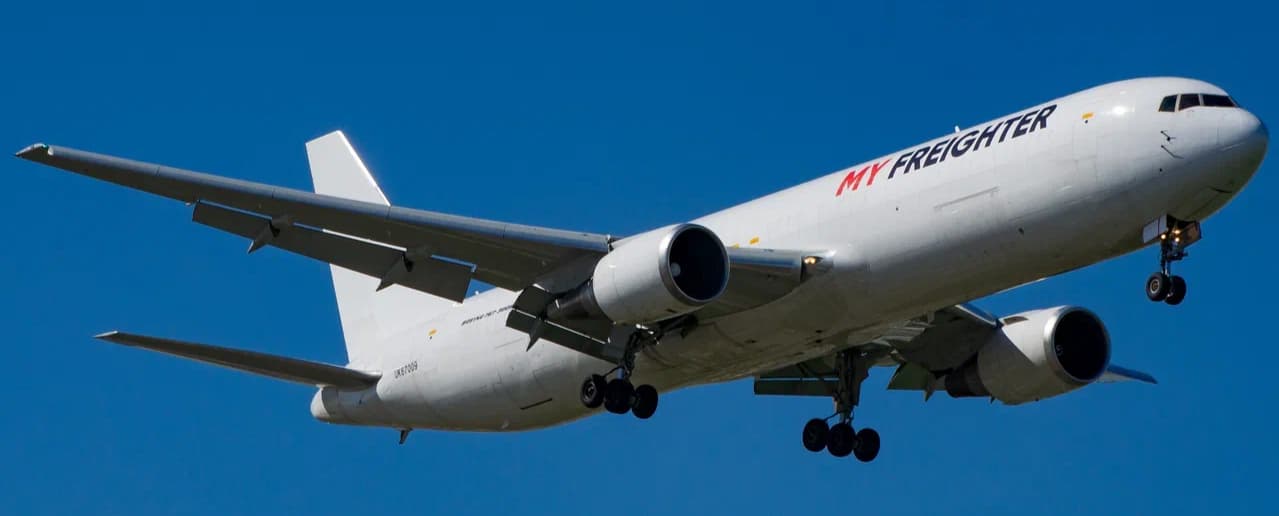
Every international cargo transportation is inevitably associated with fuel consumption and potential emissions of harmful substances into the atmosphere. However, the scale of environmental impact largely depends not only on distance but also on how well logistics is organized. This is precisely why today companies are increasingly revising their approach to transport planning, focusing not only on delivery speed but also on environmental efficiency.
What is green logistics and why it is becoming a new standard for air cargo transportation?
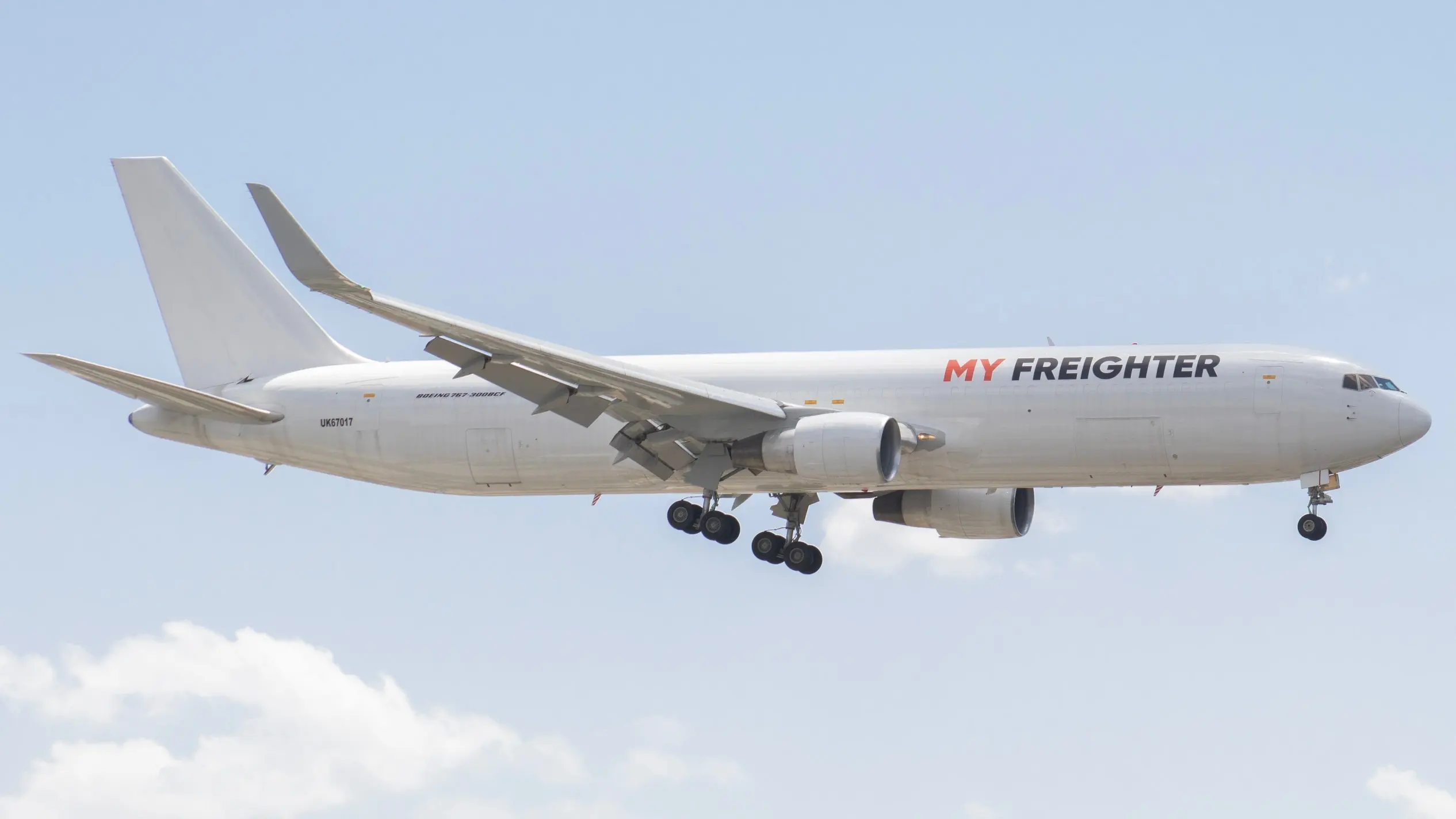
The term "green logistics" has ceased to be exclusively part of the environmental agenda. For businesses, it means finding solutions that reduce resource consumption, increase transportation efficiency, and simultaneously reduce negative impacts on nature. Green logistics in the modern sense is a set of practical measures aimed at reducing the carbon footprint without compromising the quality of transport services.
This approach is based on a constant analysis of all stages of delivery. The logistics operator evaluates routes, air traffic congestion, the number of overloads, and other parameters that affect both transportation times and emissions. The main principles for the ecological organization of transportation are:
- Reduction of unnecessary route sections;
- Maximum full use of the available space of the aircraft;
- Application of digital tools for routing;
- Development of multimodal logistics solutions;
- Constantly increasing the energy efficiency of transportation.
An ecological approach brings practical benefits not only to society. It allows companies to optimize costs, make deliveries more predictable, and improve the quality of customer service.
How air freight transport affects the environment
Air transport is the fastest way to deliver goods internationally, which is why companies are increasingly choosing it to ensure uninterrupted supply chains. At the same time, the operation of aircraft engines is accompanied by the formation of carbon dioxide and other substances that affect the atmosphere. Therefore, one of the key tasks of the industry today is to find real ways to reduce their environmental footprint.
In this regard, the correct construction of the entire supply chain is of great importance. The fewer unjustified flights, downtime, and additional operations occur, the lower the fuel consumption and the lower the volume of emissions into the air. When we talk about green logistics, we are talking about solving this problem.
How optimizing freight routes helps reduce CO2 emissions
Work on route optimization begins even before the cargo is dispatched. Logisticians analyze not only the destination but also available flights, possible connections, airport congestion, waiting times between flights, and cargo characteristics. Based on this data, a route is selected that allows for transportation with minimal time and resource expenditures.
This approach helps reduce the number of intermediate overloads, avoid unnecessary flights, and reduce the downtime of aircraft and ground equipment. As a result, the total fuel consumption decreases, and with it, the amount of CO2 emissions. Additional advantages include a more predictable delivery schedule and reduced operating costs.
Choosing the most efficient routes
When planning transportation, the distance between departure and destination points, flight availability, air service features, and carrier operations are taken into account. Choosing the right route allows for minimizing fuel consumption, reducing travel time, and reducing emissions.
Minimizing the number of stops and overloads
Each additional overload requires the use of machinery, warehouse infrastructure, and additional time. Furthermore, the likelihood of delays increases. If the route avoids unnecessary operations, delivery becomes more efficient and environmentally friendly.
Optimization of aircraft loading
Rational distribution of cargo helps to maximize the use of the aircraft's cargo space. When fully loaded, one flight carries more products, so fuel consumption per unit of cargo becomes lower. This method is considered one of the most effective tools for reducing the carbon footprint.
Implementation of modern transport planning systems
Digital platforms analyze dozens of parameters simultaneously. They take into account flight schedules, cargo characteristics, available routes, and possible restrictions. Thanks to this, logisticians make faster decisions and can timely adjust plans when transportation conditions change.
What technologies make air transportation more environmentally friendly?
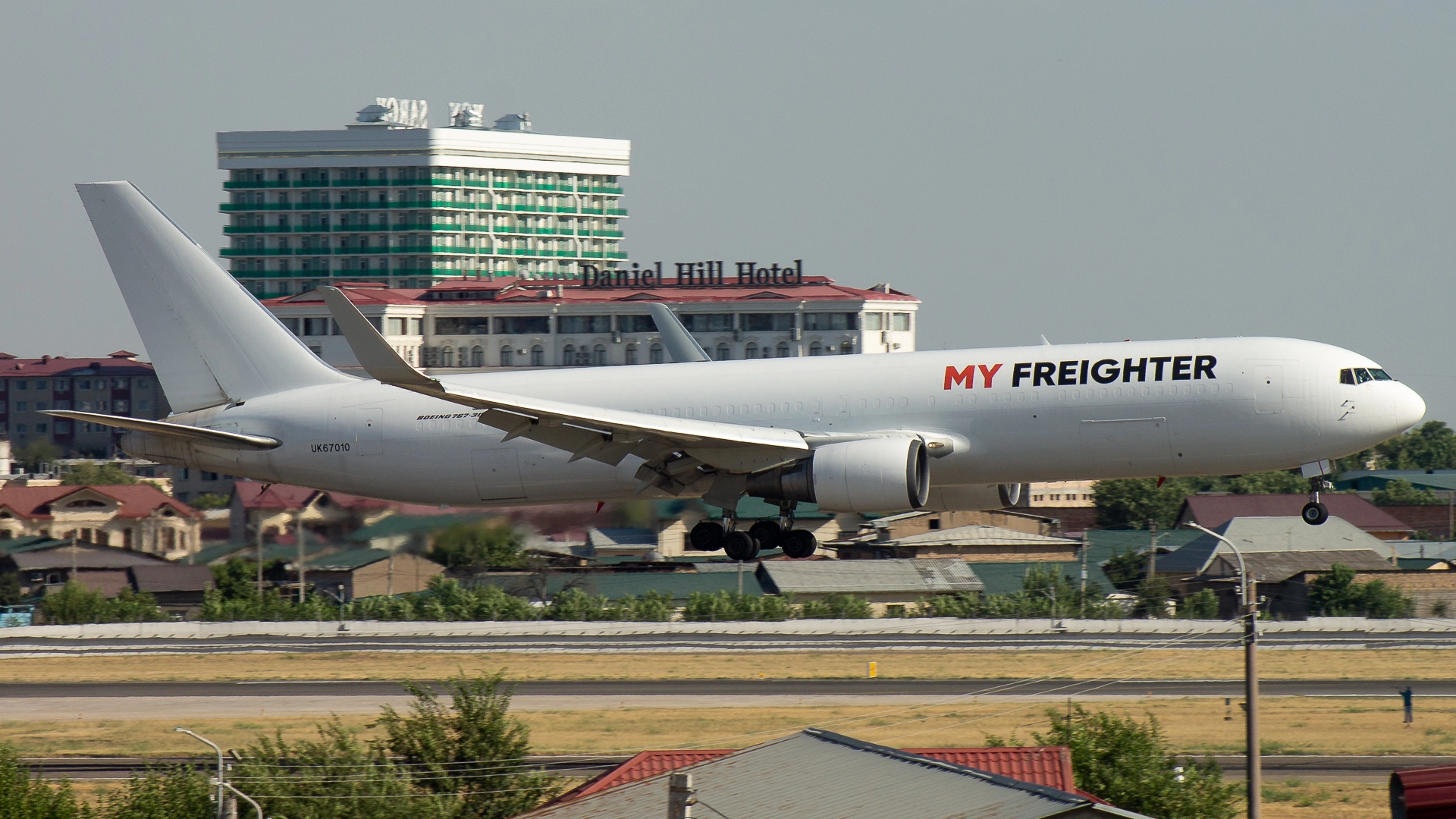
The development of the industry is not only related to the creation of new aircraft. Digital transport management tools, process automation, and the improvement of planning methods are of great importance. It is the combination of these technologies that allows for the consistent reduction of transport's negative impact on the climate.
Digital planning of logistics routes
Modern systems are capable of accounting for hundreds of parameters when calculating routes. They help you quickly find the optimal delivery option, taking into account airport congestion, cargo characteristics, and flight availability. This planning method reduces the likelihood of errors and makes transportation more sustainable.
Automation of cargo flow management
Automated systems accelerate information processing at all stages of delivery. They provide full control over cargo movement, simplify resource allocation, and help respond promptly to changes in transportation conditions.
Utilization of modern cargo aircraft with higher fuel efficiency
New generations of aircraft are distinguished by more economical engines and improved aerodynamic characteristics. Manufacturers are also working on using alternative fuels and other technologies that can further reduce aviation's environmental impact.
How MyFreighter reduces its carbon footprint when organizing air cargo transportation
When organizing transportation, MyFreighter pays attention not only to delivery times but also to the efficiency of logistical processes. The company uses a comprehensive approach to planning international routes, analyzes various delivery options, and applies multimodal schemes if necessary. This reduces the number of unnecessary operations and allows for more rational use of transport resources. The company's practical work is based on the following principles:
- Careful consideration of the specifics of each cargo and the client's requirements;
- Selection of optimal routes for a specific direction;
- Use of digital transport planning tools;
- Cooperation with reliable international carriers;
- Constant improvement of logistical processes.
This approach helps to combine a high level of service with a responsible attitude toward the environment. For MyFreighter, reducing the carbon footprint remains not a one-time initiative, but one of the key directions for developing international logistics.
My Freighter continues to develop confidently, creating modern logistics solutions for business and strengthening its role in the international market.